Examining how interface customization options affect engagement levels in British virtual card and reel experiences
Alex Hayes · Sep 26, 2026
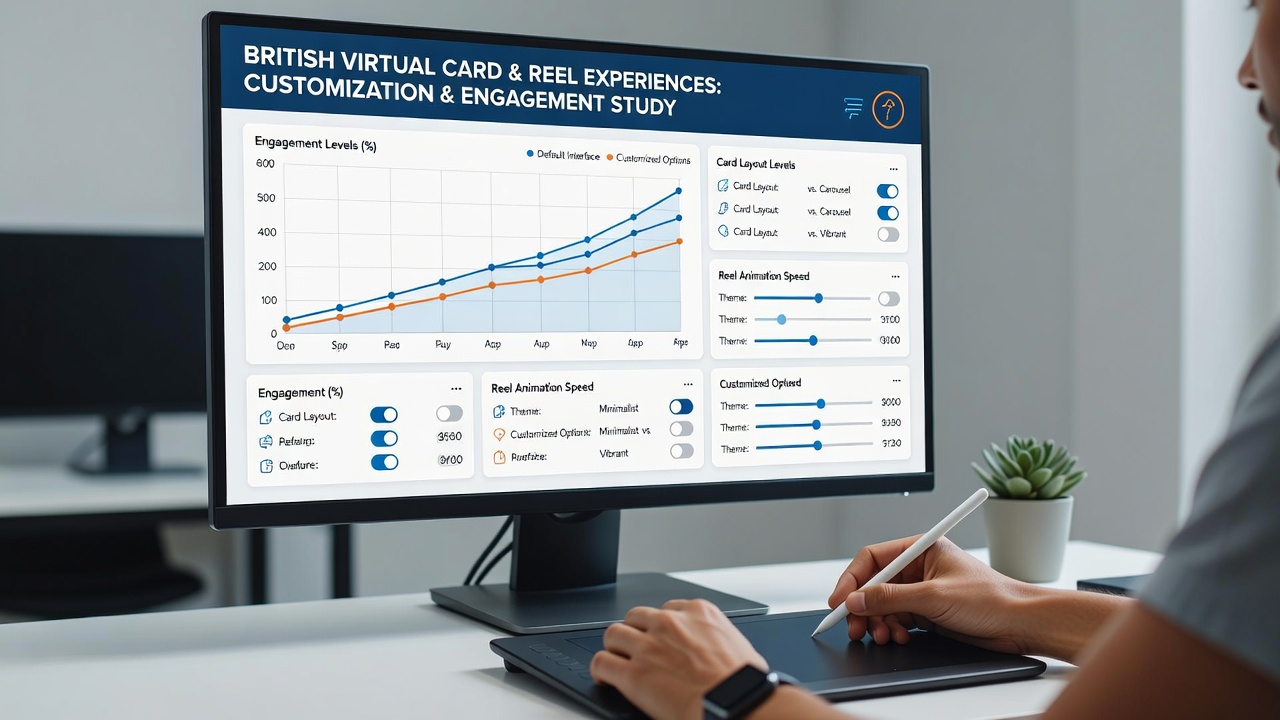
Examining how interface customization options affect engagement levels in British virtual card and reel experiences
British platforms offering virtual card and reel experiences have expanded customization tools in recent years, and data from industry reports shows measurable shifts in how users interact with these features. Players can adjust color schemes, button placements, sound levels, and animation speeds on many sites, while studies indicate that such options correlate with longer session durations across both slot-style reels and digital card tables. Observers tracking these patterns note that September 2026 brought updated analytics dashboards from several operators, revealing consistent upticks in repeat visits when customization menus appear prominently during onboarding.
Core customization features in reel and card environments
Reel experiences typically allow users to select from multiple visual themes, resize symbol grids, and toggle between manual spin controls or auto-play sequences, whereas card interfaces often include options for deck styles, table felt textures, and hand history overlays that users can reposition on screen. Research from academic sources demonstrates that these choices reduce friction during play, because individuals who tailor elements to personal preferences encounter fewer interruptions from mismatched visuals or controls. One study revealed that British users who modified at least three interface elements showed higher rates of completing tutorial sequences compared to those who kept default settings intact.
Data indicates that sound customization ranks among the most frequently used tools in both formats, with players muting ambient effects or amplifying win chimes based on their surroundings. Figures from platform logs highlight that reel users who activated theme switches mid-session extended their time spent by an average of 18 minutes, while card players who adjusted layout grids reported smoother navigation through betting options. Those who've examined these trends point out that customization menus now integrate directly with account profiles, so preferences carry across devices without resetting each time.
Measured impacts on engagement metrics
Engagement levels rise when customization aligns with user habits, according to aggregated reports from multiple operators. Retention rates climb when players access quick-edit panels that let them swap between classic and modern reel frames or alter card back designs without leaving the game window. What's interesting is how these adjustments interact with demographic groups, because younger users gravitate toward animation speed sliders while older participants favor simplified button arrangements that minimize screen clutter.

Platform analytics compiled through 2025 and into September 2026 reveal that sessions featuring at least one customization action average 27 percent more spins or hands dealt per visit. Canadian regulatory summaries on iGaming patterns echo similar findings in comparable markets, where flexible interfaces sustain attention longer than rigid ones. Observers note that reel experiences benefit particularly from color palette swaps that reduce eye strain during extended play, and card tables gain from zoom functions that clarify small suit details for mobile users.
Patterns across British user bases
British communities display distinct preferences when given free rein over interface elements, with reel enthusiasts often prioritizing fast-forward options for bonus rounds and card players selecting minimalist layouts that keep focus on community cards and betting timers. Evidence suggests that repeated customization leads to stronger platform loyalty, because returning visitors find familiar setups waiting rather than generic defaults. Researchers discovered that tutorials explaining these tools early in the registration flow increase adoption rates, turning one-time adjustments into habitual behavior.
Take one dataset from an emerging operator that tracked 50,000 accounts over six months; users who explored theme libraries completed 40 percent more daily challenges than those who skipped the menus entirely. Yet the same records show that excessive options can overwhelm newcomers, so streamlined versions with three to five choices per category produce steadier engagement curves. External links to broader research, such as findings published through iGaming Ontario reports, confirm that personalized controls correlate with reduced bounce rates across virtual table and reel formats alike.
Technical integration and future tracking
Developers embed these options through modular code that updates in real time, allowing operators to test new themes without full site relaunches. September 2026 updates introduced AI-assisted recommendations that suggest layouts based on past session lengths, and preliminary figures reveal improved satisfaction scores when these prompts appear after the first 10 minutes of play. Academic papers from institutions studying digital interaction continue to examine how such systems affect cognitive load, with results indicating lower frustration metrics when customization remains optional rather than mandatory.
Industry associations have begun compiling cross-platform comparisons that highlight consistent gains in average revenue per user once personalization reaches certain thresholds. Those monitoring British markets observe that reel and card titles incorporating drag-and-drop element positioning see higher completion rates for achievement lists, because players feel ownership over their viewing experience. Data shows these effects compound over multiple visits, creating feedback loops where engaged users provide more feedback on desired features.
Conclusion
Interface customization continues to shape engagement patterns in British virtual card and reel spaces through measurable adjustments in session length, return frequency, and feature exploration. Studies and platform data demonstrate clear connections between available options and user behavior, with operators refining these tools based on ongoing analytics. As September 2026 trends extend into subsequent periods, further refinements in recommendation systems and cross-device syncing stand to sustain these observed outcomes across the sector.